When lawless mobs impulsively loot, commit arson, and kill the innocent, police can often restore order only with lethal force. But when cops run out of ammunition, what happens to social order at that point? The current situation in South Africa provides a real-world example.
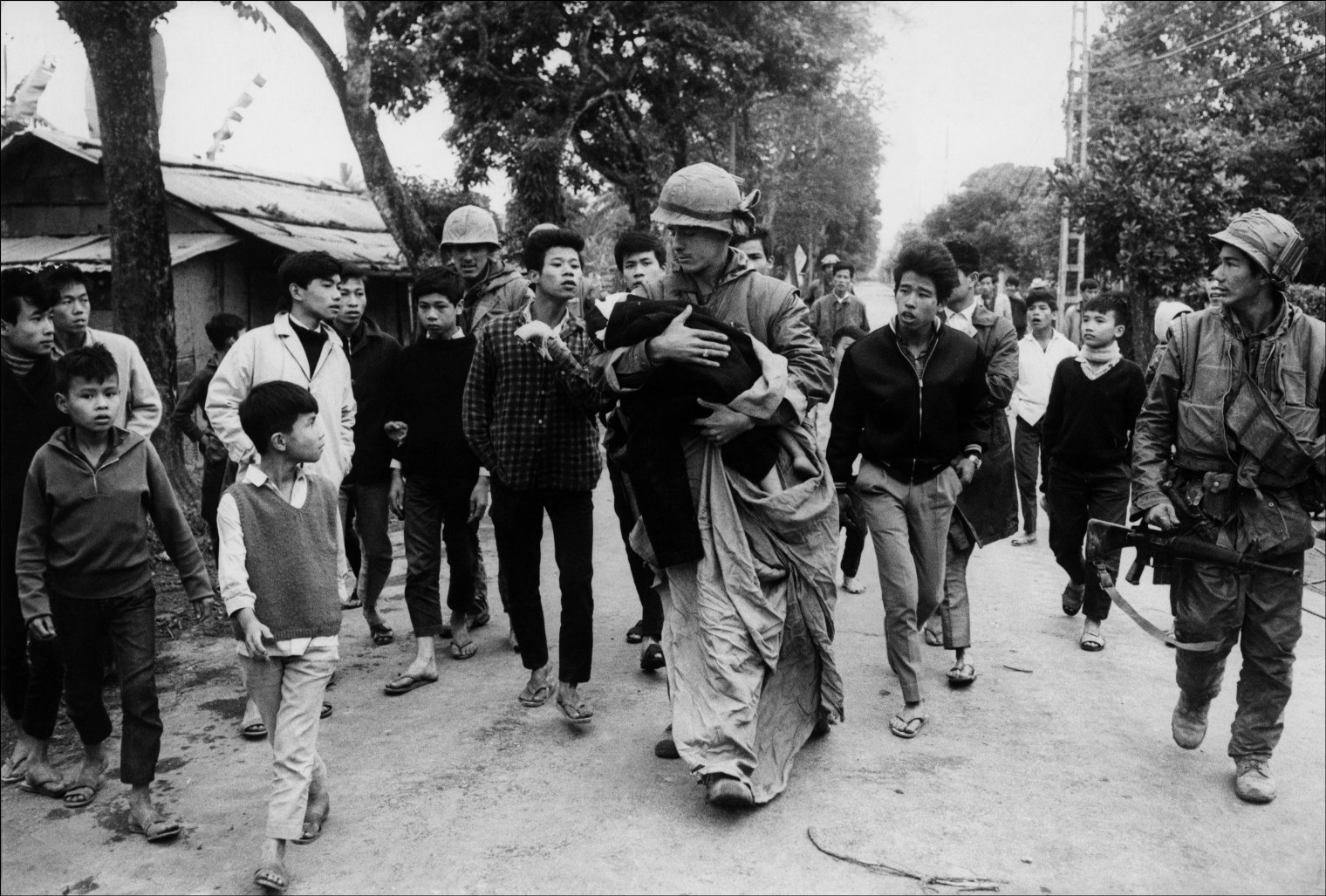
While the Vietnam War raged — roughly two decades’ worth of bloody and world-changing years — compelling images
made their way out of the combat zones. On television screens and
magazine pages around the world, photographs told a story of a fight
that only got more confusing, more devastating, as it went on. As Jon
Meacham describes in this week’s issue of TIME, the pictures from that period can help illuminate the “demons” of Vietnam.
And, in the decades since, the most striking of those images have
retained their power. Think of the War in Vietnam and the image in your
mind is likely one that was first captured on film, and then in the
public imagination. How those photographs made history is underscored throughout the new documentary series The Vietnam War, from Ken Burns and Lynn Novick. The series features a wide range of war images, both famous and forgotten.
But few people have a better grasp on the role of photography in
Vietnam than the photographers themselves, and those who lived and
worked alongside them. With the war once again making headlines, TIME
asked a number of those individuals to select an image from the period
that they found particularly significant, and to explain why that
photograph moved them the most.
Every
Democrat of the committee has voted to impeach Trump for Jan. 6. Both
of the Republicans Pelosi put on the committee to provide bipartisan
balance — Wyoming’s Liz Cheney and Illinois’ Adam Kinzinger — voted to
impeach Trump last January and are the two ranking anti-Trump
Republicans on Capitol Hill.
To understand what House Speaker Nancy Pelosi’s select committee
investigation of the Capitol Hill events of Jan. 6 is all about, a good
place to begin is with the sentencing hearing last week of Paul
Hodgkins.
Recently, I started looking into the connections between musical
preferences and personality types. In the early and middle parts of the
20th century, there were some questionable and unfortunate
attempts in the world of substance abuse treatment facilities to use an
addict’s musical preferences to predict his personality type and
subsequent treatment options. They tried to correlate musical
preferences such as tempo, key, pitch, etc., with personality traits
such as extroverted, introverted, judging, feeling, etc., and although
they were giving it a valiant effort, they were clearly reaching for
straws. As I combed through this mostly discredited research, I kept
thinking of Southern culture as a whole and wondered if there might be
some characteristics that permeated both Southern music and Southern
culture in the same way that yeast permeates bread dough. Are there
things unique to Southern culture that are reflected in Southern music,
and vice versa?
Via Jonathan "The start of Operation September Freedom is only days away. Like I said before, it is both an honor and a privilege to work with these pilots and act as their Ground Crew."
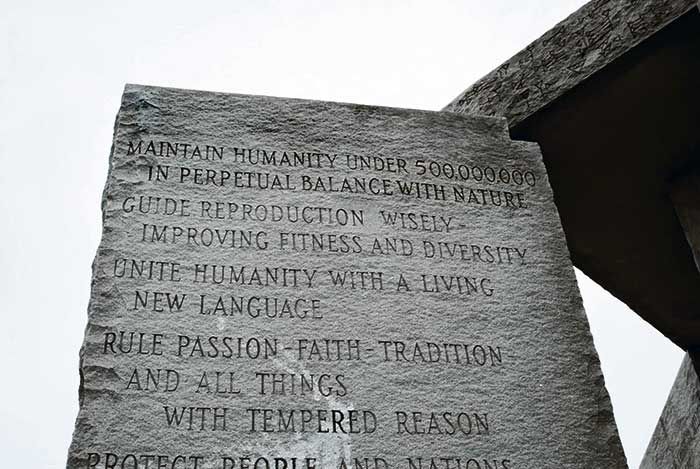
OK, most of us have seen the above picture and know at least the outline of the story
behind that monument. There are several things in the construction of
this edifice that truly set my personal alarm claxons off:
Nobody knows where the money for this came from. The identity of the financiers is cloaked behind a non-disclosure agreement. Who does this?
The price named for construction was “ridiculous” – but it was paid regardless. Who does this?
All legal documents regarding its construction were destroyed after it was done. Who does this?
If you read the inscriptions, they are largely John Lennon’s “Imagine”, literally carved in stone:
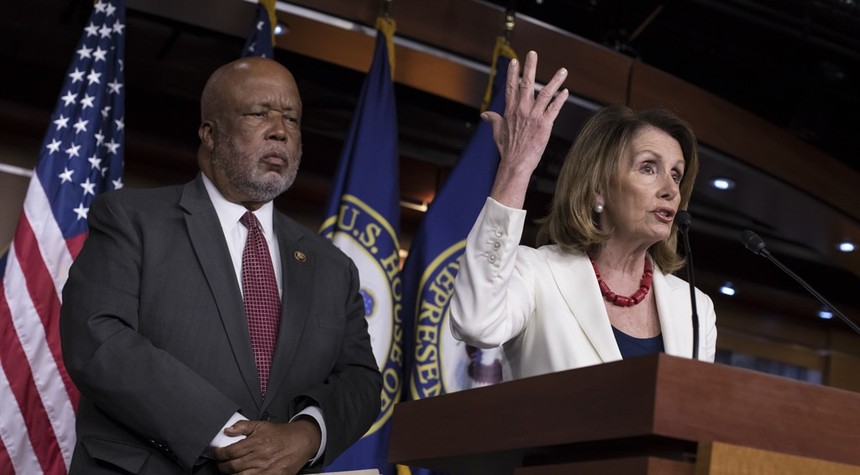
Today was day one of the hearings on January 6th, held by Nancy Pelosi’s partisan select committee. What transpired was a sideshow of fake crying
and irrelevant, sometimes questionable testimony from Capitol Police
officers who offered absolutely nothing of substance in regards to
fixing the security issues that plagued the Capitol that day.
Of course, because we are dealing with an event strictly meant to
cause an emotional reaction, not actually accomplish anything, the lies
flowed freely.
To start, Bennie Thompson, who himself objected to the electoral college in 2004, claimed that seven people lost their lives.