We are doing our best to become a Third-World country of incompetency, constitutional erosion, a fractious and politicized military elite, and racially and ethnically obsessed warring tribes.
The United States should be at its pinnacle of strength. It still
produces more goods and services than any other nation—China included,
which has a population over four times as large. Its fuel and food
industries are globally preeminent, as are its graduate science,
computer, engineering, medical, and technology university programs. Its
constitution is the oldest of current free nations. And the U.S.
military is by far the best funded in the world. And yet something has
gone terribly wrong within America, from the southern border to
Afghanistan.
The Twenty-first Century war is being waged on all fronts. Primarily, this is China versus America, but includes Middle Eastern countries, Russia and North Korea. The war began first with the slow creep of communism within our institutions so that by the Twenty-first Century, there was the acceptance of communist principles in what we considered American institutions, but some things didn’t ring true. Income tax, property tax, business and liquor licensing are all means of placing the state above the people, taking their private property and forcing them to ask permission to engage in business, permission they revoke when they want to exert power.
While the United States had established itself as a world power before these communist principles were passed into law, it did not become recognized as a world power until it did so. Directly after passing the Sixteenth Amendment taking taxes from personal incomes, ratified on February 3, 1913, war broke out in Europe in July of 1914. It may seem as a coincidence and perhaps it is, but that first act of communism signified to other nations that the United States had evolved into a socialist/communist nation and could be drawn into international conflicts and the revenue of their people could be tapped for international expenses.
Why has the federal government been trying so hard to keep
surveillance footage of January 6th under wraps? We may have an answer
to that question if a set of newly released videos are any indication.
A judge ordered the videos be released against the wishes of the
government prosecutors who claimed doing so would undermine national
security. Of course, that makes no sense, and what’s on the videos runs
counter to the chosen narrative.
Behold, the event that has been compared to the Civil War by the President of the United States.
What if all the core images, sounds and smells you know of a place
were intact, but altered, tweaked or reworked the way songs can be? In
some ways, this is what it feels like to gaze at photographs of a place
you know intimately, but taken during a time when you never existed.
Many of the buildings,
roads, landmarks, rivers and activities are the same, but everything is
slightly different. Colors have shifted, architecture re-arranged,
elements added or removed, and styles shaken up. Perhaps you would
prefer this alternate version and wish it was the place you now
occupied, or maybe it would engender a newfound appreciation for what
you've come to consider the "original version."
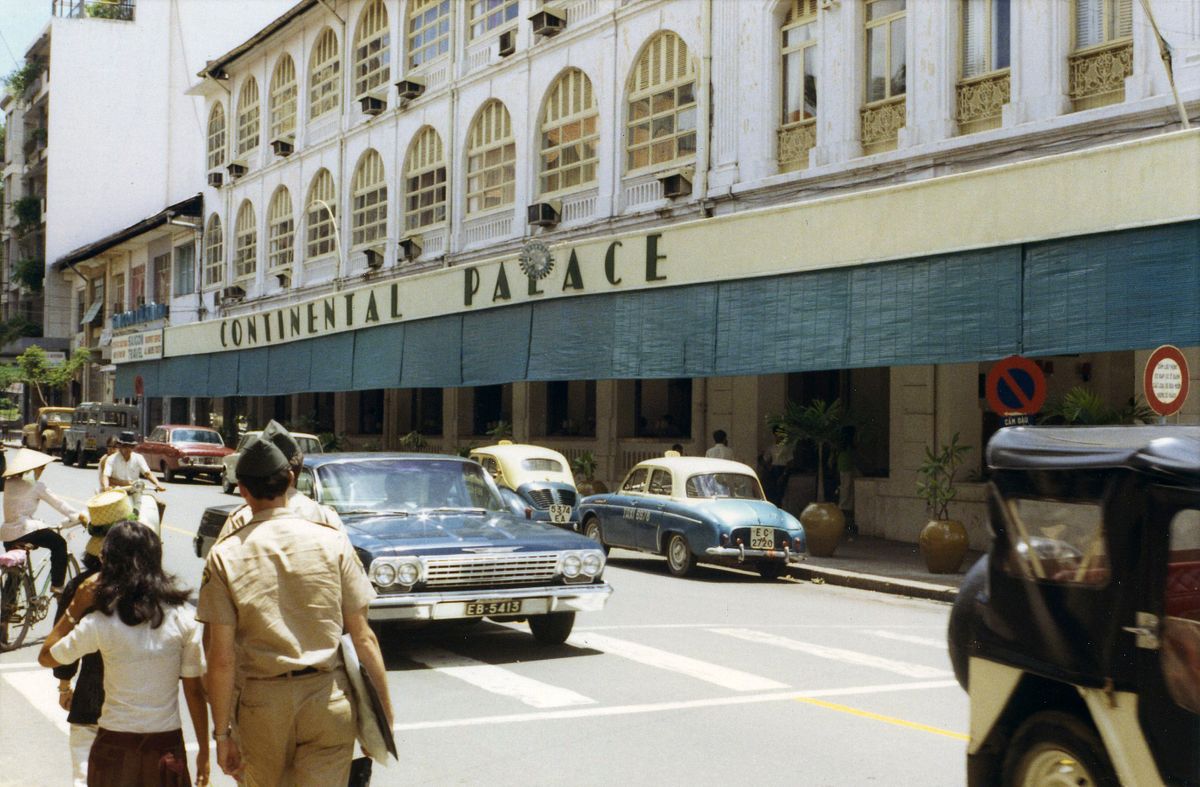
This set of photographs taken
in Saigon in 1972 includes many sights that we recognize today,
including the Saigon Zoo, the Opera House, and Trần Hưng Đạo Street. But
the visitors to them dress differently, current statues are nowhere to
be seen, and bygone makes of cars fill the streets. The author of the
photo collection, presumably an American serviceman, is only known by
the Flickr user name Kemper14.
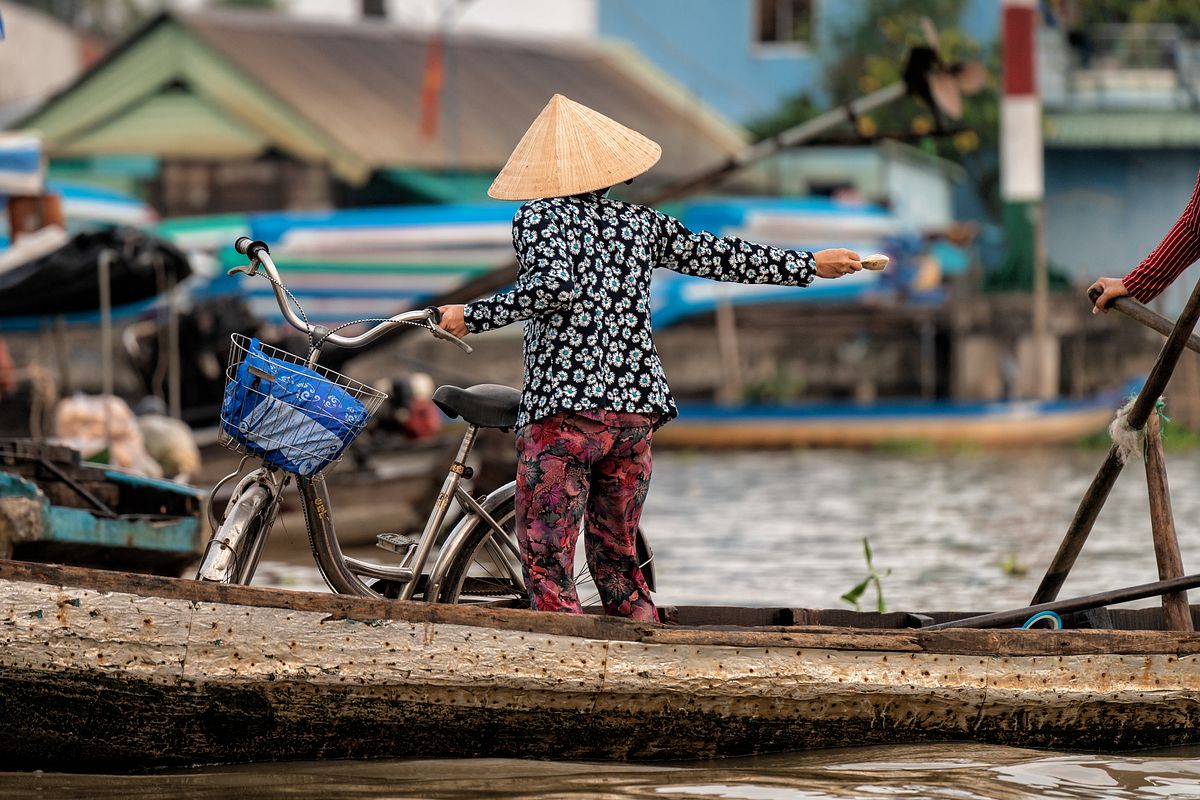
Floating markets haven’t completely disappeared from Vietnam’s commercial landscape.
Most tourism trips to Can Tho involve a stop at the floating market
despite its dubious role nowadays as an actual trading hub. As bridges,
roads and general infrastructure improvements are made throughout the
Mekong Delta, trading on waterways has become somewhat less ideal. But
while Can Tho’s plethora of land-based supply routes supported by modern
grocery stores may have relegated its floating market to little more
than an Instagram hotspot, elsewhere in the delta, a great amount of
agricultural trading still takes place on the water.
During a trip to explore poverty relief efforts in Long My, Saigoneer
took a side trip to the Ngã Năm floating market and discovered a
vibrant trading center where farmers bring tubers, ducklings, mangos,
jackfruits, pork, onions and rice to the river to sell. The goods sold
wholesale then travel from the river up smaller estuaries and streams to
be sold at small neighborhood markets, fulfilling the daily nutritional
needs of an entire region.
The activities at Ngã Năm begin early, and by daybreak the water is
filled with traders and shippers hoping to conduct their business before
the menacing midday sun arrives. A woman sells piping hot bowls of
noodles to the sellers who work up an appetite tossing bags of gourds
and transferring jugs of water, while in the small riverfront town,
vendors set up shop preparing breakfast and selling all sorts of
essentials from clothing to condiments.
For a small fee we were able to rent a boat and travel up and down
the river to observe the buying and selling. Nga Nam is not a popular
tourist destination and the morning was spent watching people perform
their routine shopping trips. As long as we didn’t get in the way of
their transactions, people were happy to pose for photos, waving with
mild bemusement that we were interested in their quotidian commercial
activities.
1944, Allies are pushing against Nazi Germany! British Snipers often are on the tip of the spear, leading attacks against Germans. So how did their main Sniper rifle, No.4 MK. I (T) work?
I'm taking on 13 different size targets all the way from 100 to 700 Yards! Let's see what this rifle really can do!
As a counter sniper I'm going to use German BYF High Turret Sniper!